

For many homeowners, a mobile home represents a budget-friendly and versatile living option. However, maintaining the integrity of your mobile home is important to ensure its longevity and comfort. One of the key aspects of mobile home maintenance is leveling. An unlevel mobile home can lead to numerous complications, from structural issues to everyday inconveniences like jammed doors and windows. Understanding how to level your mobile home is critical for protecting your investment and enhancing your living conditions.
In this thorough guide, we will take you through the complete step-by-step process of leveling your mobile home. Whether you are a seasoned DIY enthusiast or a homeowner just starting to begin into home maintenance, this article will arm you with the knowledge and tools you need. We will explore the importance of your mobile home needs leveling, how to identify signs of an unlevel home, and practical methods to tackle leveling yourself. With the proper approach, you can ensure that your mobile home remains secure, steady, and cozy for years to come.
Grasping Mobile House Stabilization
Stabilizing a mobile house is a critical aspect of upkeeping its structural integrity and ensuring a cozy residential environment. Over time, different aspects such as ground settlement, water runoff concerns, and frost-thaw cycles can cause a mobile house to become unlevel. An unlevel home can lead to complications like uneven floors, doors and windows that bind, and even damage to plumbing and wiring systems. Grasping the significance of stabilizing is the first step in addressing this critical maintenance task.
One of the main reasons property owners need to stabilize their mobile homes is to stop ongoing deterioration. When a mobile home is unbalanced, pressure is placed on the frame and the footing, which can lead to serious problems over time. Frequently monitoring for trailer house leveling professional and fixing any issues promptly can protect property owners from high fixes in the long run. Additionally, an balanced house contributes to the general well-being of inhabitants, as it influences everything from the alignment of furnishings to the efficiency of warmth and cooling systems.
To properly level a mobile home, it's important to acquaint oneself with the types of foundations and support systems typically used. How to level a mobile home are generally supported by posts, blocks, or concrete slabs, which can move or shrink due to changing soil circumstances or ineffective water removal. Each case is unique, and understanding the individual needs of your house's footing will help you determine the most effective stabilizing approach. Understanding how to check the level of your manufactured house and recognizing signs of unevenness are key components in the maintenance routine.
Important Tools and Materials
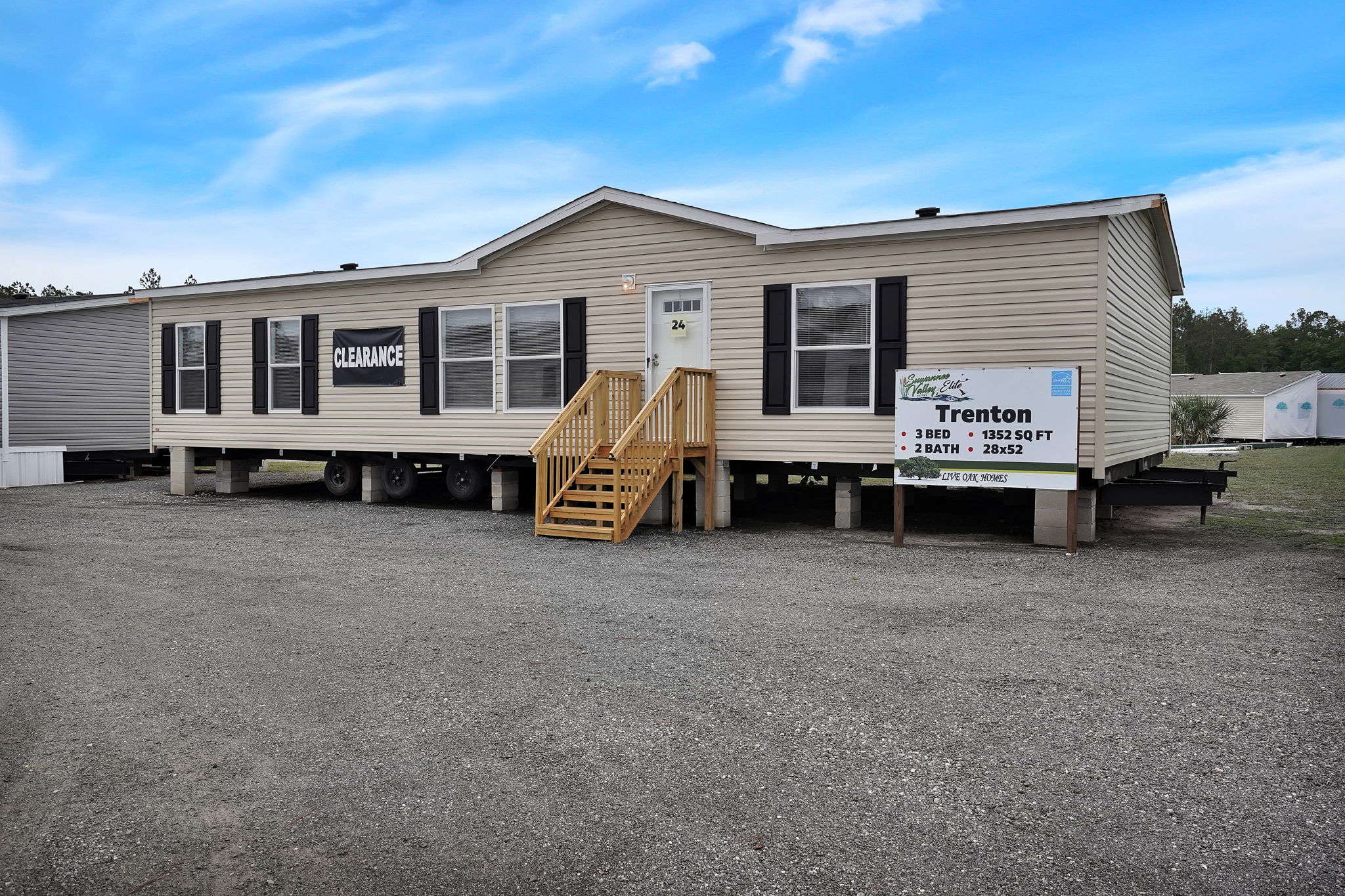
When adjusting your mobile home, having the appropriate tools and materials at your service is vital for a efficient process. Start with How to level a mobile home as a level, flexible wrenches, and a screwdriver set, which will help you make required adjustments to your home's supports. A good-quality water level or a laser level is also necessary for ensuring accurate measurements and making sure your home is perfectly level. Additionally, a tape measure and a square will come in convenient for determining lengths and verifying your home is correctly oriented accurately.
In terms of materials, you will need several reinforcement options to aid in leveling your mobile home. This includes modifiable leveling blocks, shims, and piers particularly designed for mobile homes. Depending on your specific needs, you may also want to contemplate purchasing additional materials such as cement blocks or treated wood to provide additional reinforcement. Having these items on hand will not only make your leveling process more manageable but will also ensure that your mobile home remains stable and safe.
Protective gear should not be overlooked when embarking on this project. Ensure you have sturdy work gloves to protect your hands during the lifting process. A hard hat can help safeguard against any potential falling debris, especially if you're working under the home. Eye safety glasses is also essential, as dust and small debris may be present when maneuvering around your mobile home. With the appropriate tools, materials, and safety equipment, you'll be ready to level your mobile home successfully.
DIY Levelling Process Overview
Leveling your manufactured home is a critical task that provides safety and avoids damage over time. To begin, you will need to assess the current state of your manufactured home. Look for indicators that indicate an unlevel structure, such as sticking doors, gaps around windows, or tilted floors. Once you confirm that your home is out of level, collect the necessary tools and materials. A liquid level or leveling laser, jacks, shims, and blocking are fundamental items needed for the levelling process.
The next step involves jacking up your manufactured home to the required height. Make sure to do this safely by positioning jacks under the frame at points that are strategically spaced for even support. Gradually raise the home while monitoring for levelness periodically. Once your trailer is at the appropriate elevation, it's crucial to stabilize the frame using supports or piers, ensuring stability. This phase of the job is important, as it locks in the corrections you have made.
After securing your home, conduct a final check to ensure all aspects is level. This includes verifying that the doors and the windows open and close properly, and checking the floors for any irregularities. Regularly checking the level of your trailer, especially after changes in weather like frost cycles, is essential for maintaining its state. Remember, preventive maintenance today can save you hassles and expenses in the future.
Lonestar Mobile Home Leveling & Skirting
276 County Rd 1700
Clifton, TX 76634
(254)266-5369