

Leveling a mobile home is essential for upholding its structural stability and ensuring the well-being of its occupants. Over time, multiple factors like soil conditions, climatic variations, and shrinkage can lead to your mobile home to become unstable. This not only alters the appearance of your home but can also result in major complications such as structural damage, uneven floors, and potentially troubles in shutting openings and shutters. Grasping the significance of leveling and how to do it is crucial for each mobile home resident.
In this reference, we will take you through the necessary tools and techniques needed to adequately level your mobile home. Whether you are a experienced DIY type or a first-time homeowner, you will find step-by-step instructions, useful pointers, and answers to frequently asked questions. From assessing the level using easy checks to troubleshooting uneven floors, we will discuss everything you need to know to provide a stable and pleasant living space. So, let's get started and improve your mobile home's reliability together.
Understanding Leveling of Mobile Homes
Leveling a mobile home is essential for preserving its structural soundness and providing the well-being of its residents. Over time, factors such as subsurface movement, changes in moisture, and freeze-thaw cycles can lead to your mobile home to shift and become out of level. This discrepancy can lead to a variety of problems, including tilted floors, jammed doors, and unreliable plumbing. Recognizing the necessity of leveling is crucial for each mobile home owner.
To evaluate whether your mobile home is level, you can perform simple tests using tools like a fluid level or a laser level. These techniques help identify if modifications are required. When a mobile home is uneven, the frame can face strain, which may result in deterioration to the structure in the long run. Regular checks can spare homeowners from high-cost maintenance and discomfort down the path.
Adjusting involves not just raising the home to a straight position but also confirming that it remains steady. This task may require various tools and materials, including jacks, support blocks, and shims. Additionally, recognizing the factors that contribute to an uneven home, such as inadequate drainage or insufficient foundation support, is essential. Correct leveling techniques and care can lead to a safer and more enjoyable living environment.
Necessary Tools and Methods
When adjusting your mobile home, having the right tools is crucial for success. A spirit level, whether it is a conventional spirit level or a sophisticated laser level, is essential for ensuring that your home is perfectly horizontal. In also, a water level can provide accuracy over longer distances when working on bigger homes. These tools help you determine any height differences and lead you through the leveling process.
Another important component is a kit of lifting devices, which are used to lift your manufactured home when adjustments are needed. A hydraulically powered jack is particularly helpful for raising corners or sections that are substantially lower than the other parts. Along with jacks, you will need sturdy blocking materials, such as treated wood blocks or supports, to provide stable support once you've leveled the home. Ensure these materials are rated for outdoor use and can tolerate moisture and climate fluctuations.
In conclusion, don't overlook smaller tools that can make your job easier. A tape measure, for instance, helps you determine distances and ensure precision when fine-tuning heights. Leveling shims, made of resin or metal, can also be useful for fine-tuning subtle adjustments after your home has been elevated. Having these necessary tools and techniques at your disposal will streamline the leveling process and ensure a stable and even mobile home.
Common Mistakes and Problem-Solving
One frequent error many property owners make when leveling a modular home is overlooking assess the ground and earth quality before starting the process. Not to recognize how the earth compacts can lead to persistent issues with stability. It’s crucial to analyze the area underneath and around your home, as subpar drainage or unstable ground can undermine your efforts and cause the home to become uneven more quickly after adjustments.
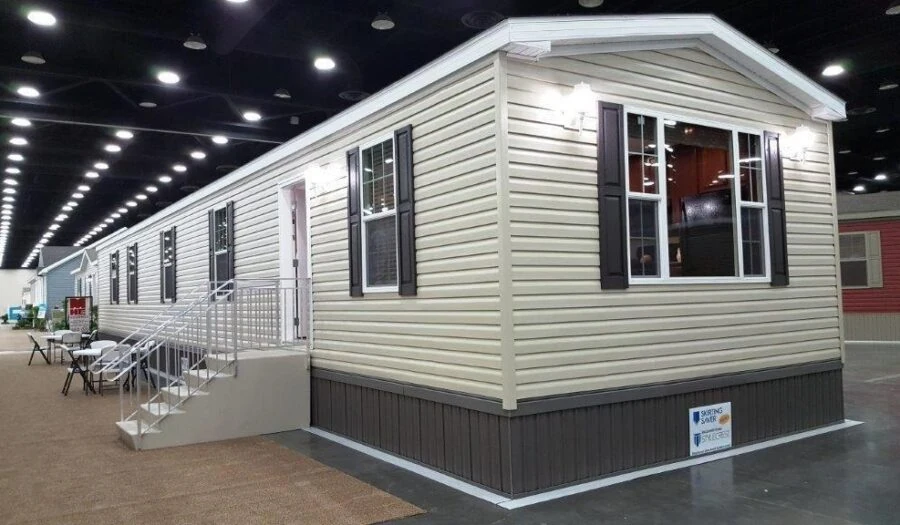
Another common trap is not using the proper leveling tools or techniques. Many DIYers attempt to use guesswork without employing a water level or laser level, which can result in errors. This error can lead to uneven floors and structural problems down the line. When How to level a mobile home , always double-check your work using accurate tools to ensure the home is set accurately.
Problem-solving can also be challenging if you do experience issues after leveling. Stick to a checklist to identify the specific signs of unleveling and ensure you tackle the underlying issue rather than just the observable signs. For instance, if you notice doors sticking or windows cracking after leveling, it might require reinforcements or a second look of your leveling work. Recording changes and carrying out regular checks can help you maintain the stability of your mobile home over time.
Lonestar Mobile Home Leveling & Skirting
276 County Rd 1700
Clifton, TX 76634
(254)266-5369